
SCIENTIFIC SKILLS: WORD EQUATIONS

A GCSE chemistry skills page on writing word equations, showing how to turn sentences into word equations for reactions including metals with oxygen/water, displacement, combustion, neutralisation, and reduction with worked examples and explanations.
CH2: Write word equations from sentences
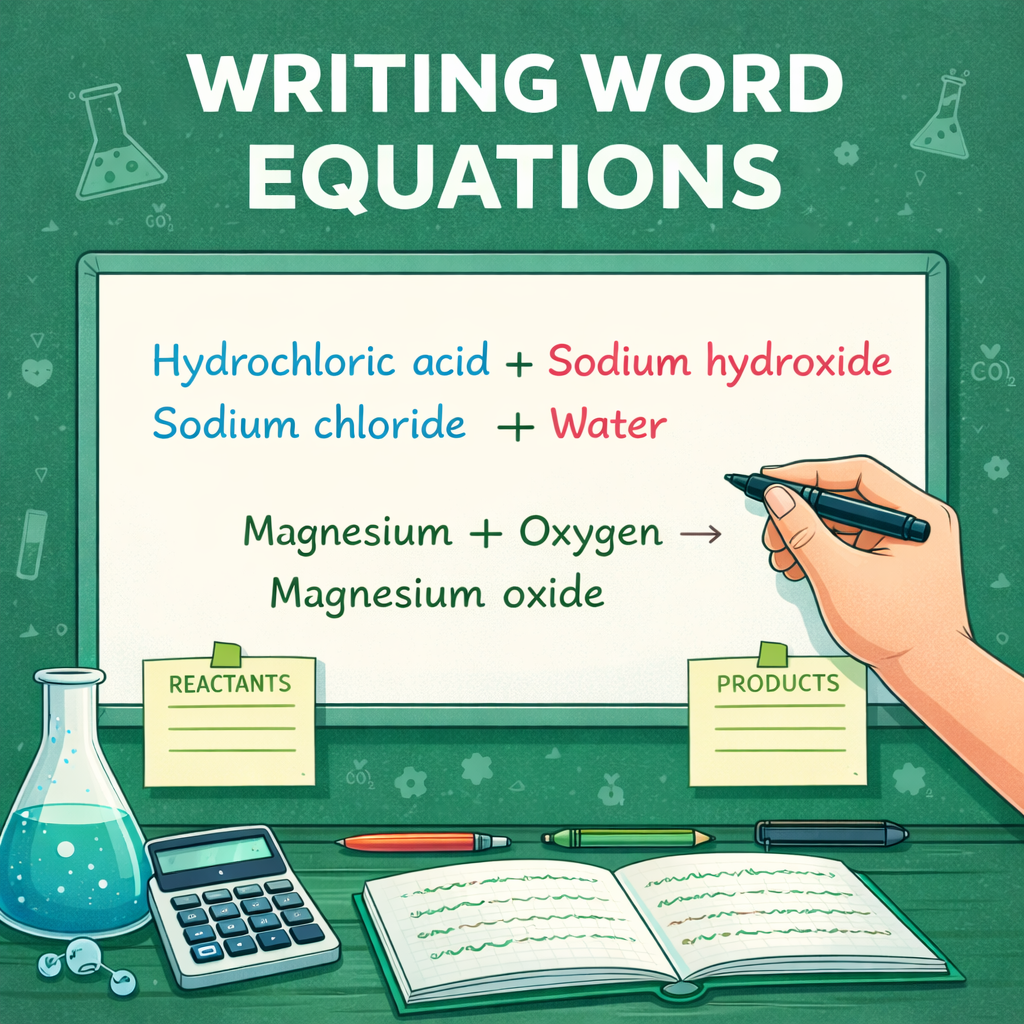
In certain questions, you will be given a sentence and be asked to turn it into a word equation.
- The key things to look out for:
- “reacts with” - These are your reactants and go on the left of the arrow.
- “to form” / “to make” / “to produce” - This is where the arrow goes. The substances that are produced (the products) go on the right of the arrow.
For example: Copper chloride reacts with sodium hydroxide to form copper hydroxide and sodium chloride. Write the word equation for the reaction.
- Reactants: The sentence tells you that copper chloride reacts with sodium hydroxide. Therefore, these are our reactants and go on the left of the arrow.
- Products: We can also see that copper hydroxide and sodium chloride are formed - so these are our products and go on the right of the arrow.
Word equation: Copper chloride + sodium hydroxide → copper hydroxide + sodium chloride
CH3: Write word equations for reactions between metals and oxygen
Whenever a metal reacts with oxygen, a metal oxide is always formed.
Example: Sodium reacts with oxygen when left out in air. Write the word equation for this reaction.
- Reactants: The sentence tells you that sodium reacts with oxygen. Therefore, these are our reactants and go on the left of the arrow.
- Products: We haven’t been given the name of the product but if we can remember that metal + oxygen = metal oxide, we know we will get sodium oxide.
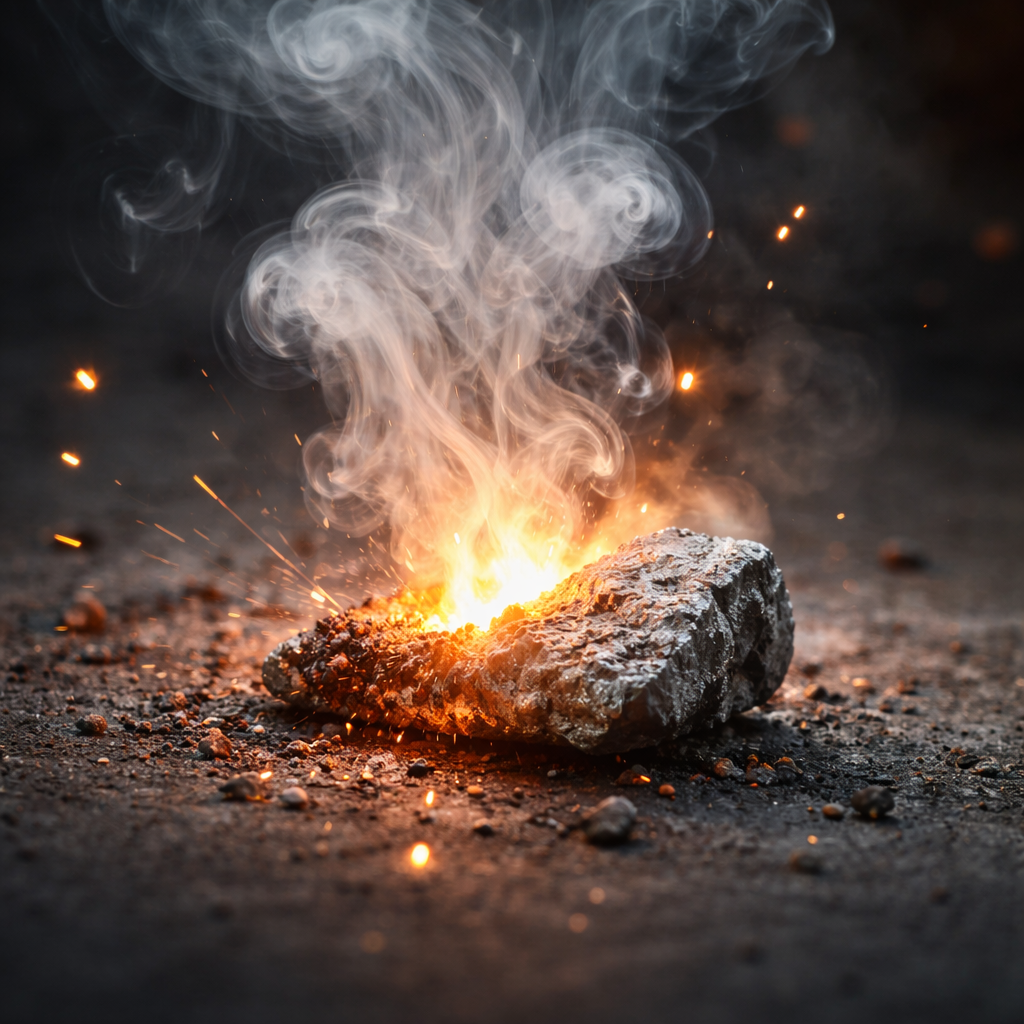
Word equation: sodium + oxygen → sodium oxide
CH4: Write word equations for reactions between metals and water
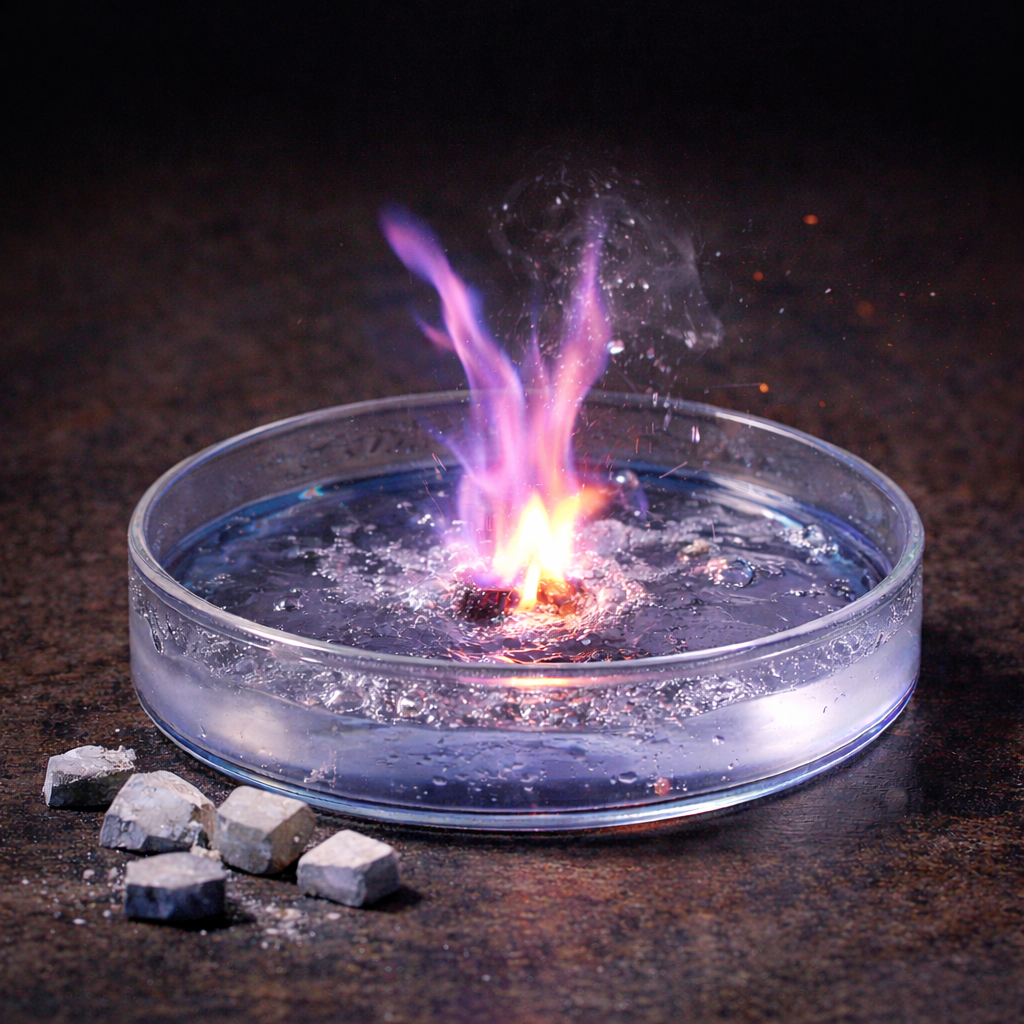
Whenever a metal reacts with water, a metal hydroxide is normally formed, as well as hydrogen gas.
Example: Write the word equation for the reaction between lithium and water.
- Reactants: The sentence tells you that lithium reacts with water. Therefore, these are our reactants and go on the left of the arrow.
- Products: We haven’t been given the name of the product but if we can remember that metal + water = metal hydroxide + hydrogen, we know we will get lithium hydroxide + hydrogen on the right.
Word equation: lithium + water → lithium hydroxide + hydrogen
CH5: Write word equations for displacement reactions
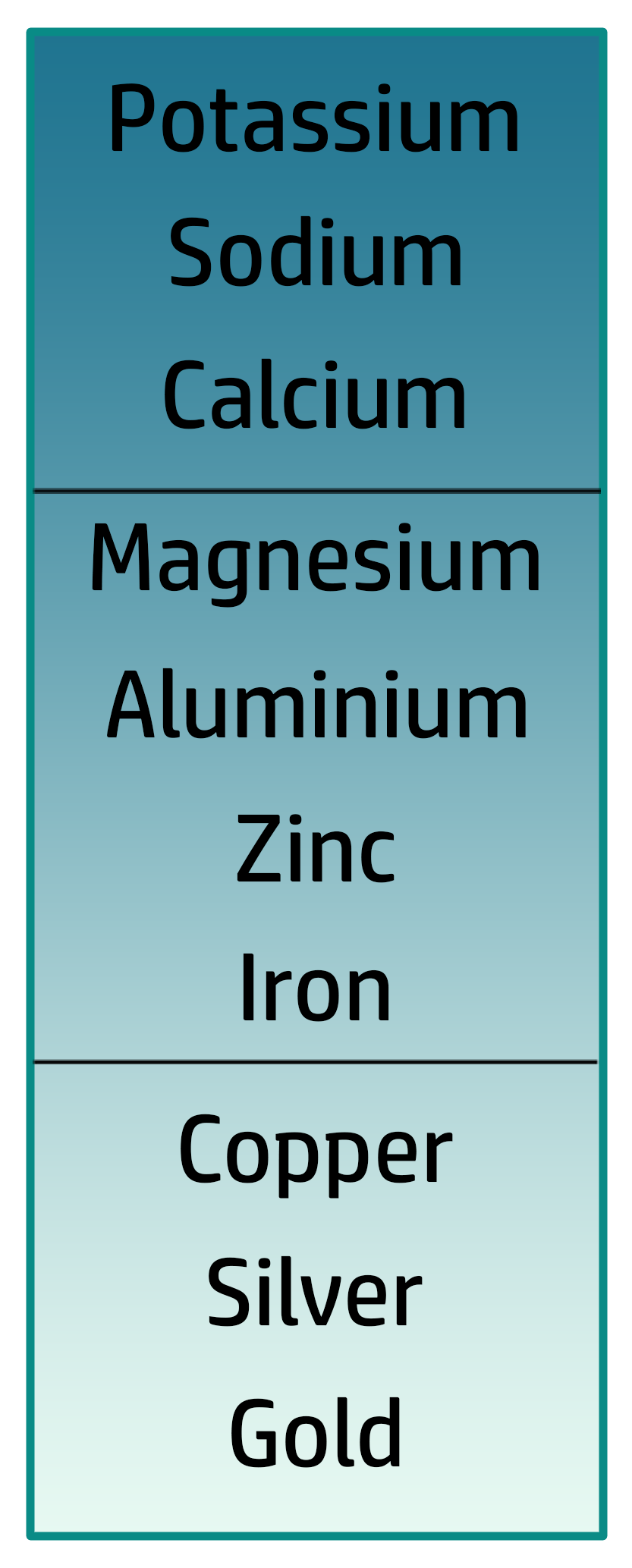
Whenever a displacement happens, all you need to do is swap the endings so that the most reactive element is part of the compound..
Example: Write the word equation for the displacement reaction between sodium and calcium chloride..
- Reactants: The sentence tells you that sodium reacts with calcium chloride. Therefore, these are our reactants and go on the left of the arrow.
- Products: As this is a displacement reaction and we know that sodium is more reactive than calcium (see the reactivity series on the left), all we have to do is swap the words sodium and calcium in the word equation, giving us sodium chloride + calcium.
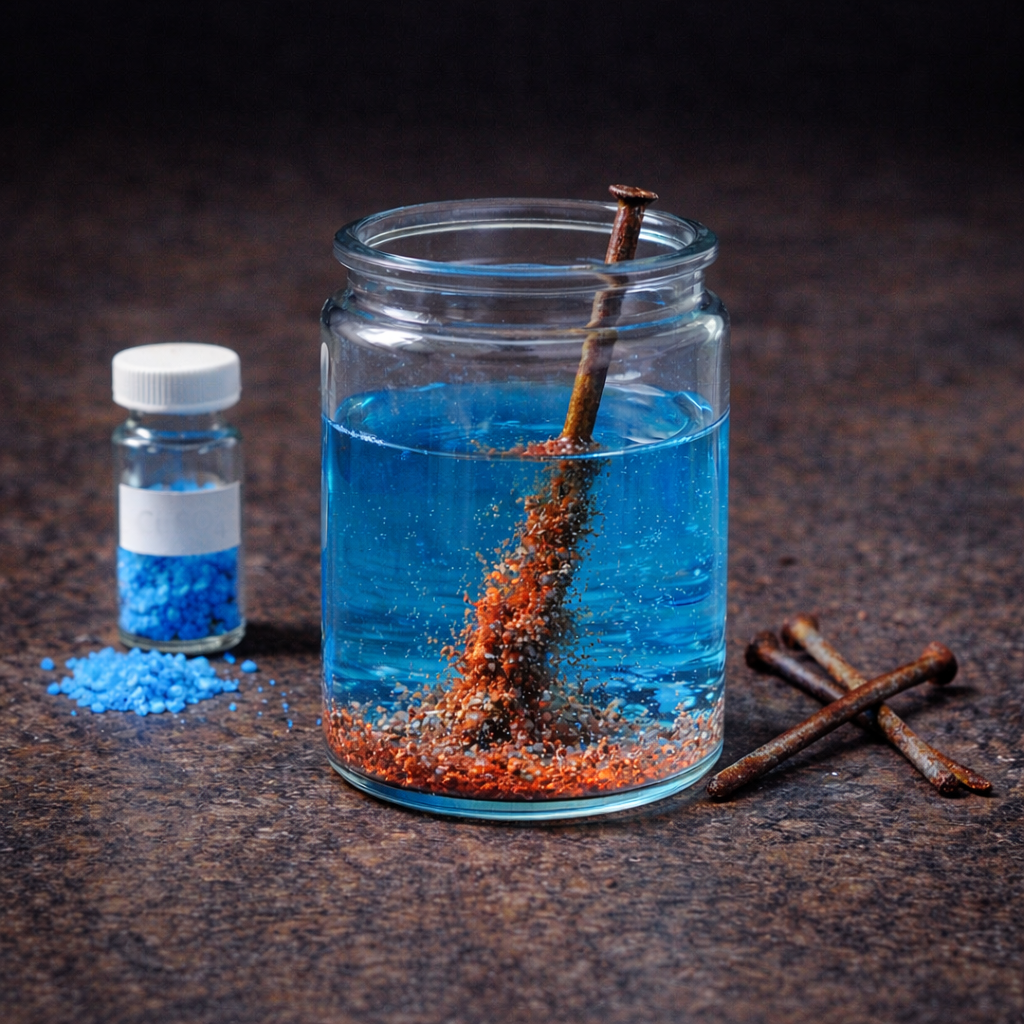
Word equation: sodium + calcium chloride → sodium chloride + calcium
CH6: Write word equations for complete combustion
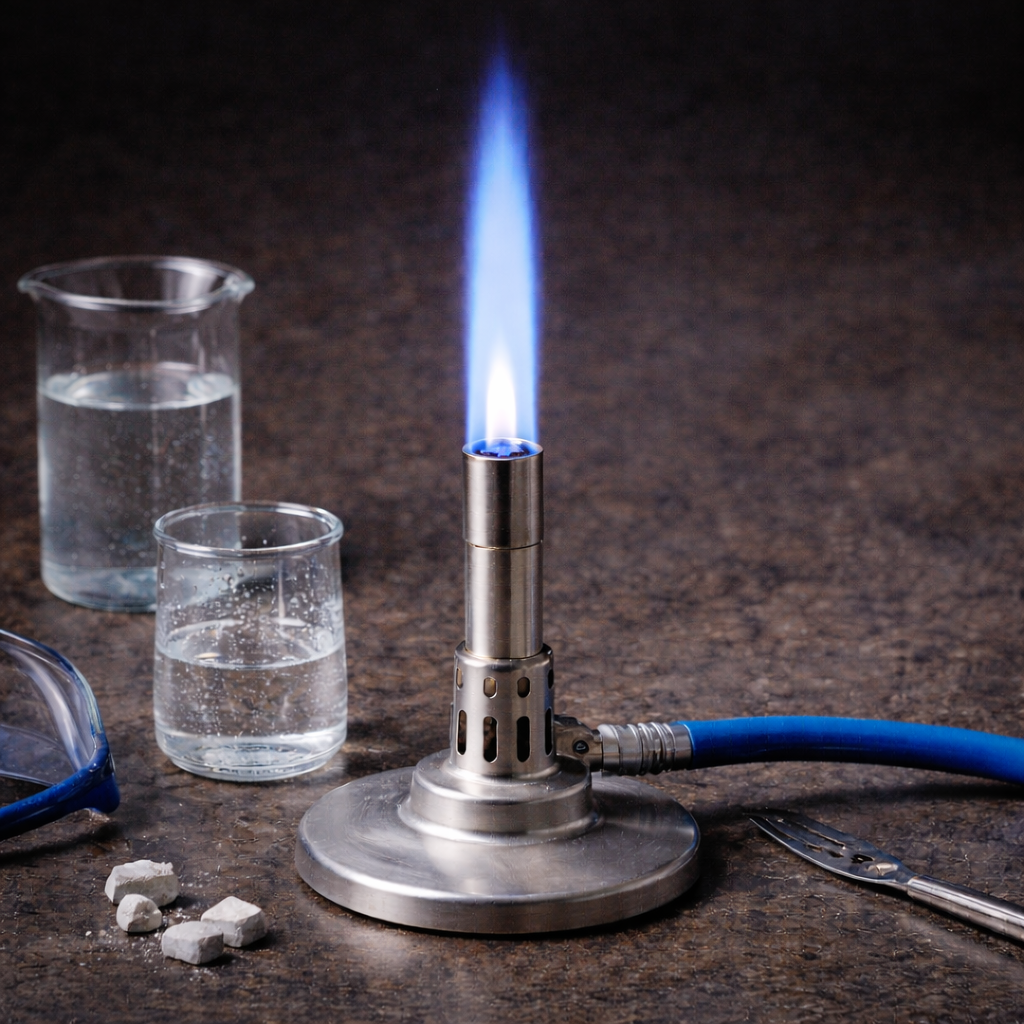
Whenever any fuel undergoes complete combustion, carbon dioxide and water are always formed.
Example: Write the word equation for the complete combustion of methane.
- Reactants: In complete combustion, the name of the fuel and oxygen are always the reactants and go on the left of the arrow.
- Products: The second you see complete combustion, all you need to do is put carbon dioxide and water on the right of the arrow.
Word equation: methane + oxygen→ carbon dioxide + water
CH7: Write word equations for acid-base reactions
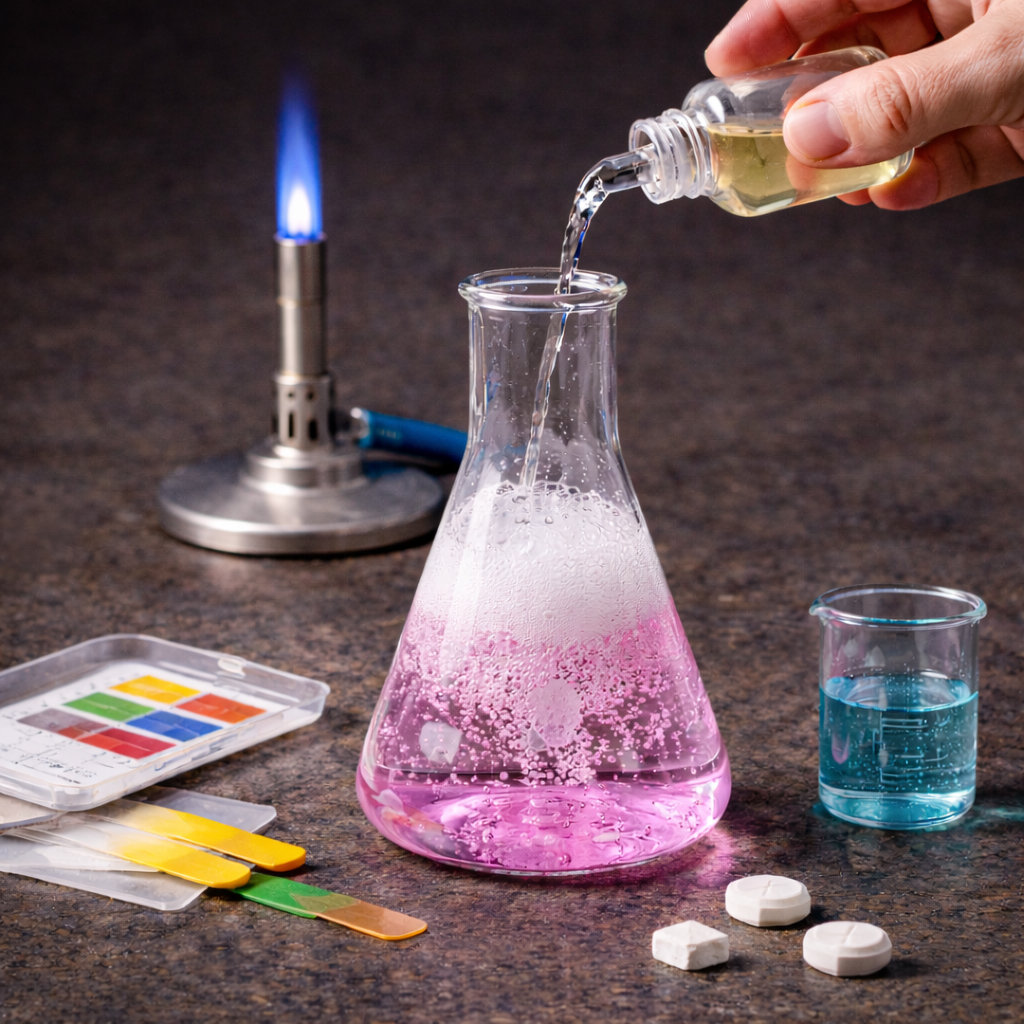
Word equations for neutralisation are a bit tougher. You will always get a salt and either hydrogen, water or carbon dioxide and water..
Example: Write the word equation for the reaction between sodium hydroxide and nitric acid.
- Step 1: Naming the salt: There are three acids you need to remember the salt ending for:
- If you have hydrochloric acid, HCl, you get a chloride salt.
- If you have nitric acid, HNO3, you get a nitrate salt.
- If you have sulfuric acid, H2SO4, you get a sulfate salt.
- In this case, we are reacting sodium oxide with nitric acid, so take the name of the metal (sodium) and add nitrate to the end: sodium nitrate.
- Step 2: The by-product(s): There are three possibilities for by-products – hydrogen, water or both carbon dioxide and water.
- A metal on its own will produce hydrogen gas, H2.
- A metal hydroxide will produce water, H2O, and
- A carbonate will produce water and carbon dioxide, H2O + CO2.
- In this case, we have a hydroxide, so the by-product is water.
Word equation: sodium hydroxide + nitric acid → sodium nitrate + water
CH8: Write word equations for reduction reactions

Reduction is simply the removal of oxygen from a metal. There are two common types of reduction – using electrolysis and reduction with carbon.
Example 1: Aluminium oxide is reduced using electrolysis. Write the word equation for the reaction.
- Reactants: Here, we only have one reactant – aluminium oxide – so this is our reactant and goes to the left of the arrow.
- Products: We remove oxygen here, so aluminium oxide will split up into aluminium and oxygen – these are our products and go on the right of the arrow.
Word equation: aluminium oxide → aluminium + oxygen
Example 2: Iron oxide is reduced by heating with carbon. Write the word equation for the reaction.
- Reactants: We have two reactants here – iron oxide and carbon, so these go to the left of the arrow.
- Products: When we use carbon in reduction, it removes the oxygen from the metal and turns into carbon dioxide – so our products are carbon dioxide and the name of the metal.
Word equation: iron oxide + carbon → iron + carbon dioxide