
THE CHANGING ATMOSPHERE
A GCSE chemistry revision page on the Earth’s atmosphere, explaining composition and changes over time, greenhouse gases and global warming, formation of pollutants from combustion, carbon footprint ideas, and methods to reduce gas emissions.
CH225: Describe how acid rain forms
Rainwater is naturally acidic – the carbon dioxide in the atmosphere dissolves in the rainwater and forms a very weak acid.
When impurities in fossil fuels – sulfur – are heated, they react with the oxygen to form sulfur dioxide:

The sulfur dioxide gas then dissolves into the water in the clouds to form sulfurous acid, H2SO3:
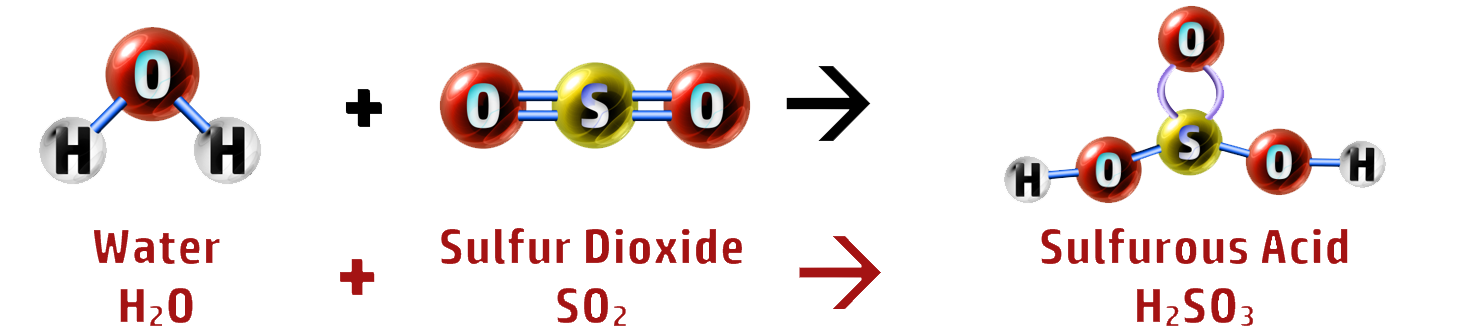
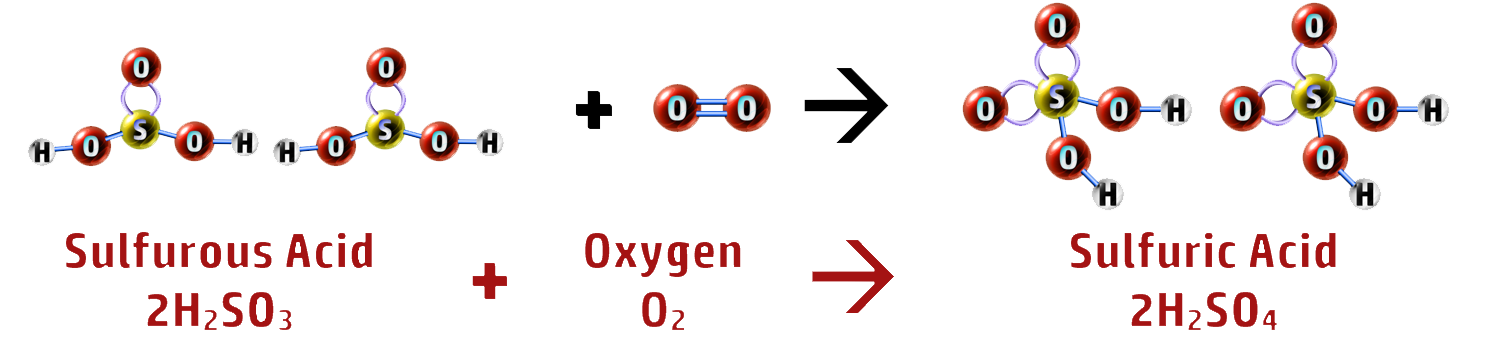
…which then oxidises (reacts with oxygen)to form sulfuric acid, H2SO4 – Acid Rain!
CH226: Describe the effects of acid rain
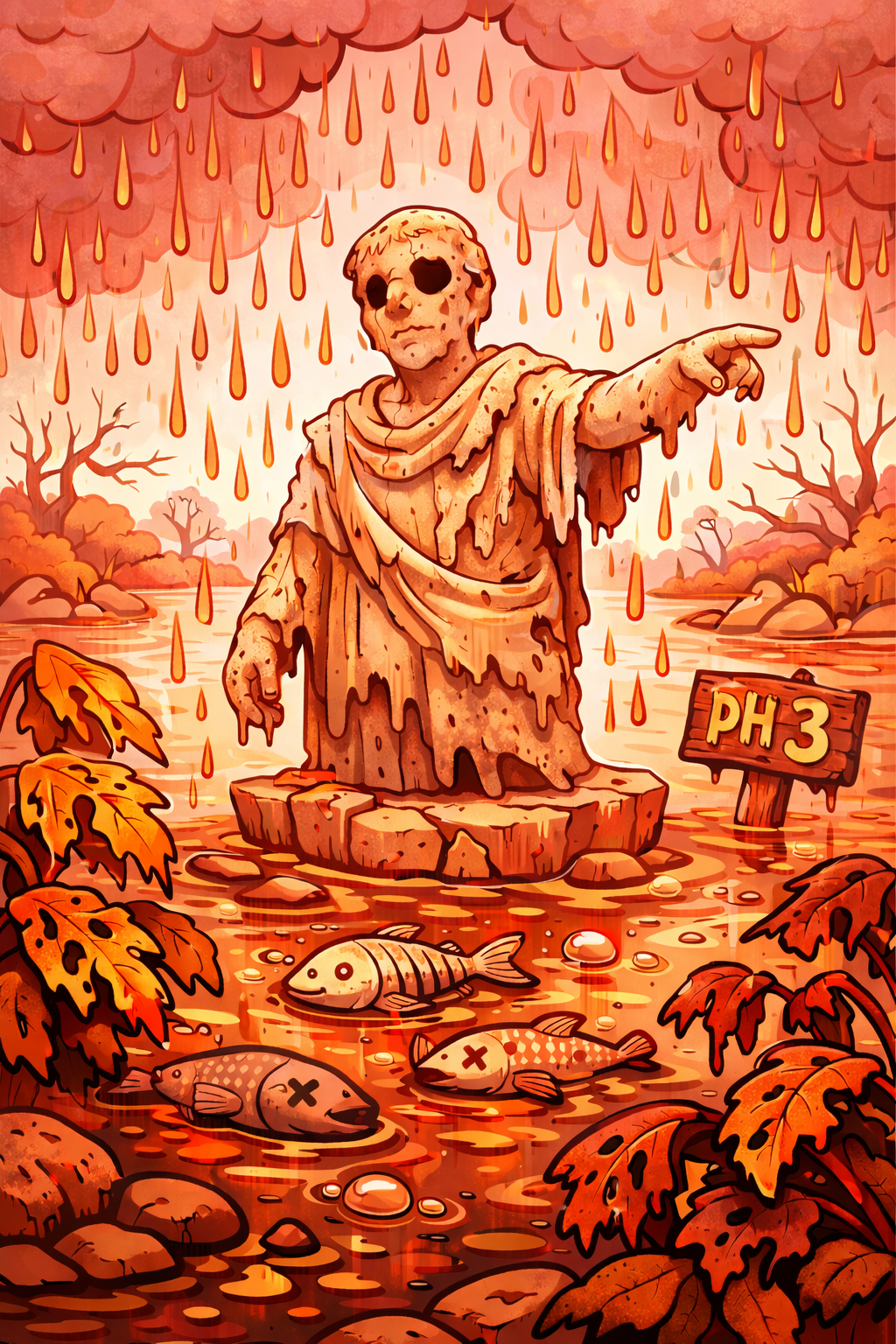
Acid rain has the following effects:
- It makes the soil acidic – which stops some plants from growing.
- It acidifies the rivers and lakes – killing fish and insects and stopping eggs from hatching.
- It weathers statues made from sedimentary rock.
- It corrodes metallic structures.
CH227: Explain the formation of nitrous oxides
Car engines can get extremely hot. When this happens, they react with the nitrogen in air and produce nitrogen oxides – such as nitrogen oxide, NO, or nitrogen dioxide, NO2.

- These gases are pollutants and can cause acid rain by forming nitric acid, HNO3, when dissolved in the rainwater.
- Nitrogen dioxide, a red/brown gas, is toxic and can cause respiratory diseases such as bronchitis.
- Catalytic converters can be used to convert this back into nitrogen – a harmless gas.
CH228: Describe the formation and composition of the Early Atmosphere
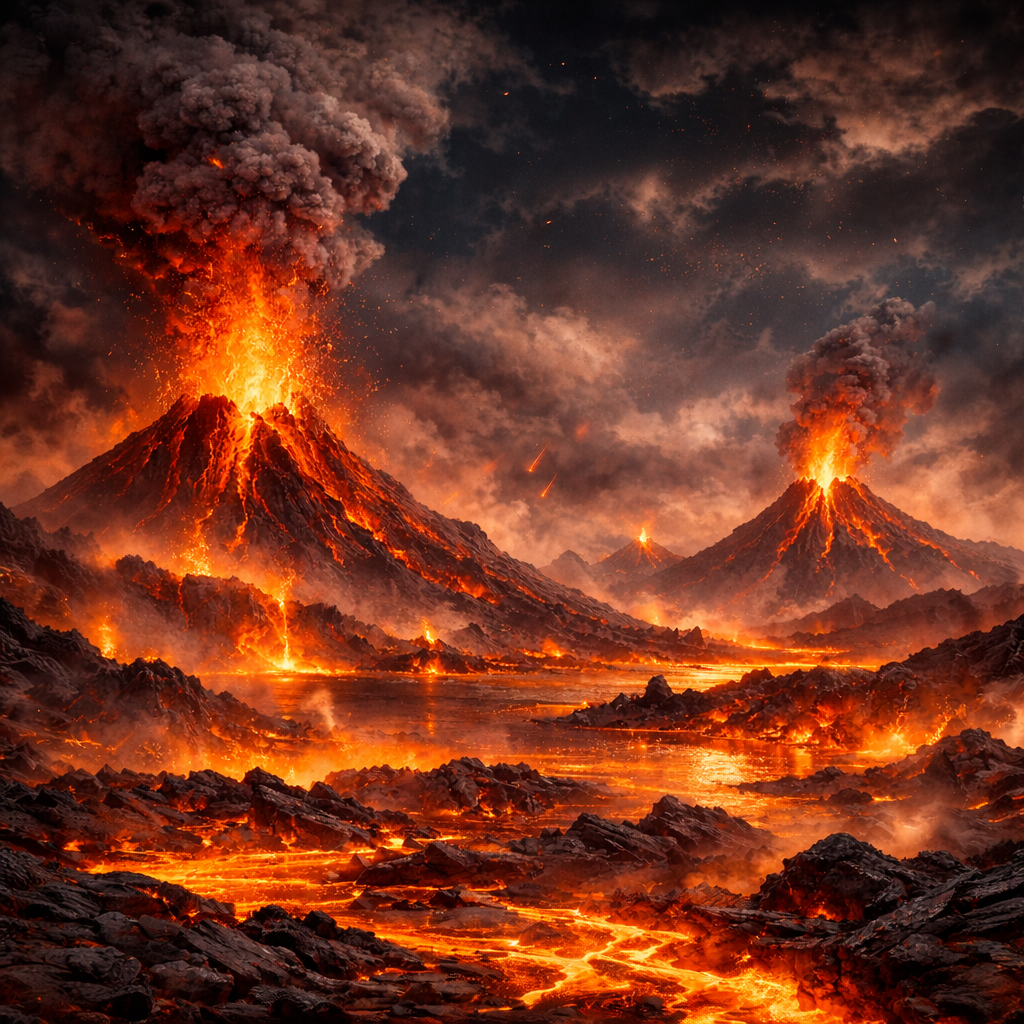
Volcanoes produced the gases in the early atmosphere.
The early atmosphere contained:
- No oxygen (no plants!)
- Lots of carbon dioxide
- Lots of water vapour
- Small amounts of other gases (methane, nitrogen, and ammonia)
There is plenty of evidence that backs this up:
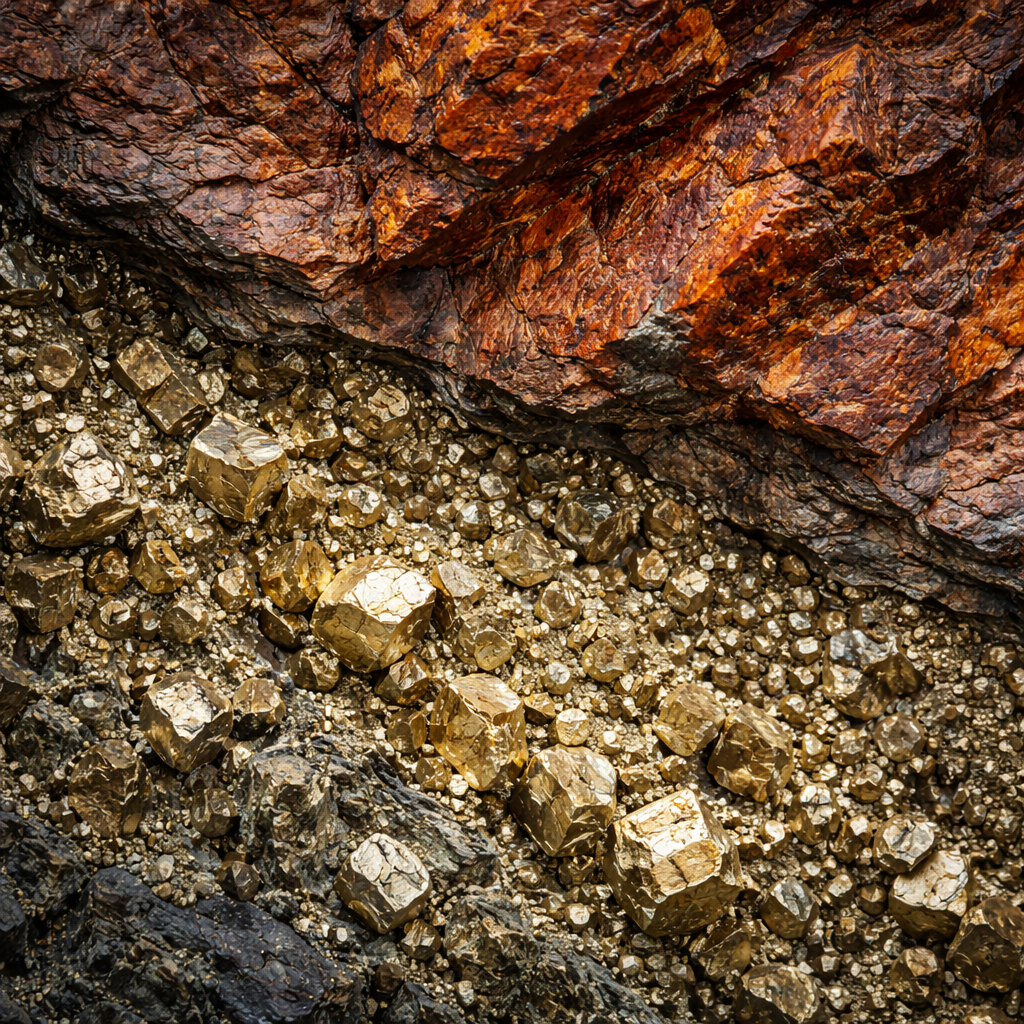
- We know there was no oxygen in the Early Atmosphere because there is lots of iron pyrite in ancient rock – a chemical that only forms when there is no oxygen.
- When we study the atmospheres of Mars and Venus – both have volcanic activity and both have atmospheres full of carbon dioxide as well as no oxygen.
CH229: Describe the formation of the oceans
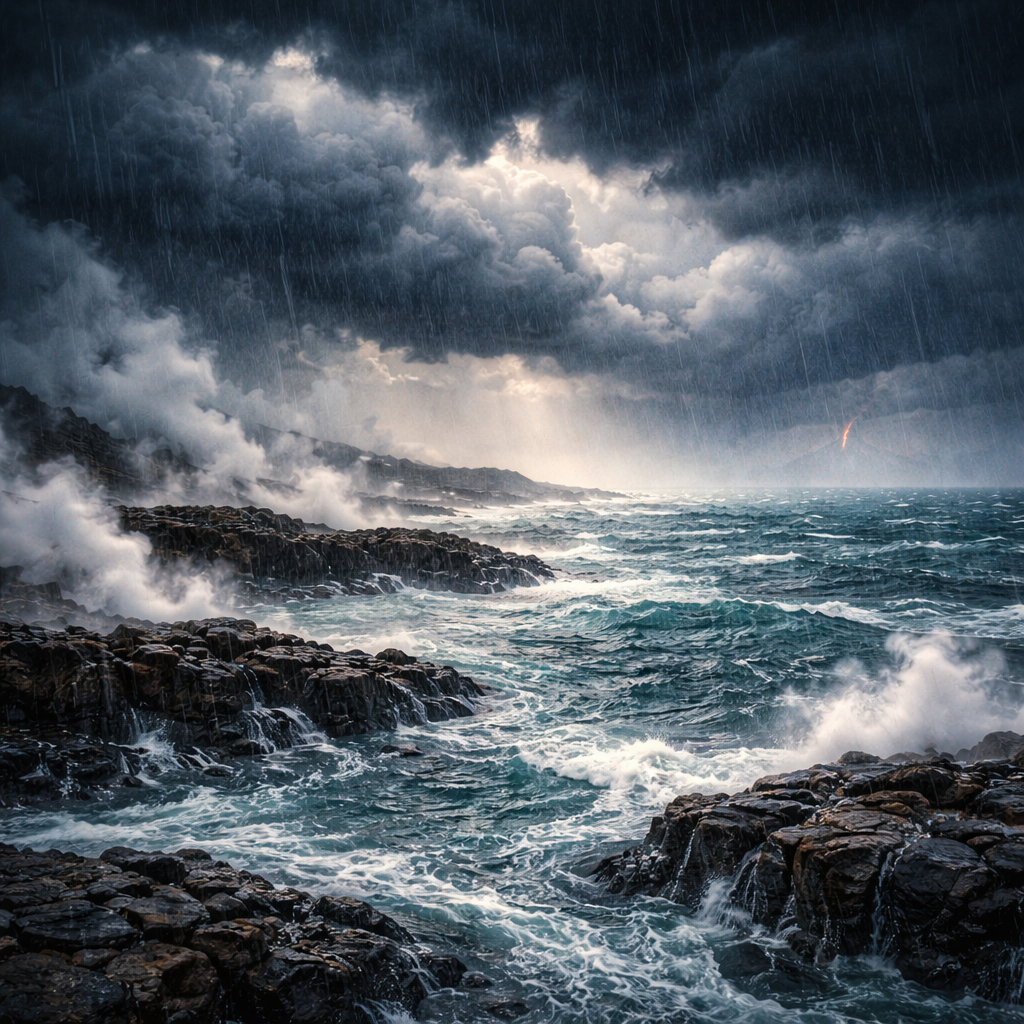
When the Earth started to cool, the water vapour began to condense into a liquid, forming our oceans.
CH230: Explain how carbon dioxide levels have decreased

There are three main ways that CO2 levels decreased:
- The carbon dioxide started to dissolve into the newly formed oceans.
- The carbon dioxide in the oceans was absorbed by small creatures and ended up as animal shells or sedimentary rock.
- Once primitive plants formed, they absorbed carbon dioxide and produced oxygen in a process called photosynthesis.
CH231: Explain why oxygen levels have increased
Once primitive (early) plants started to develop, they started to photosynthesise.
They took in carbon dioxide (reducing CO2 levels) and produced oxygen (increasing O2 levels)
We know that there was originally no oxygen in the atmosphere because early rocks contained iron pyrite, FeS2.
Newer rocks contain iron oxide instead - the oxygen has reacted with the iron pyrite to form iron oxide:
4FeS2 + 11O2 → 2Fe2O3 + 8SO2
CH232: Describe the test for oxygen
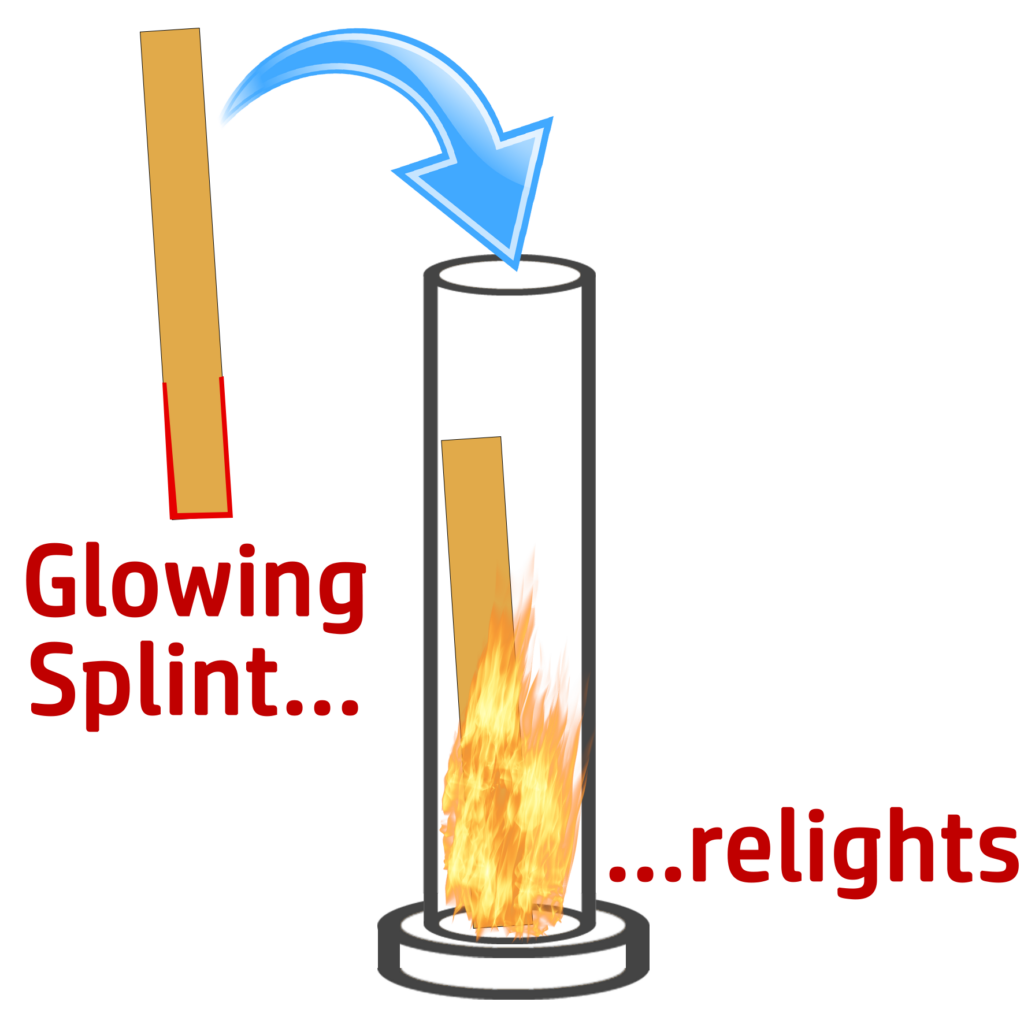
Oxygen relights a glowing splint!
Take a splint, light it and then blow it out – make sure it is still glowing. Put the glowing splint into your oxygen and, if oxygen is present, the splint will relight!
Why? The oxygen accelerates combustion, so even the tiniest bit of energy can set the splint on fire again!
CH233: Explain the greenhouse effect
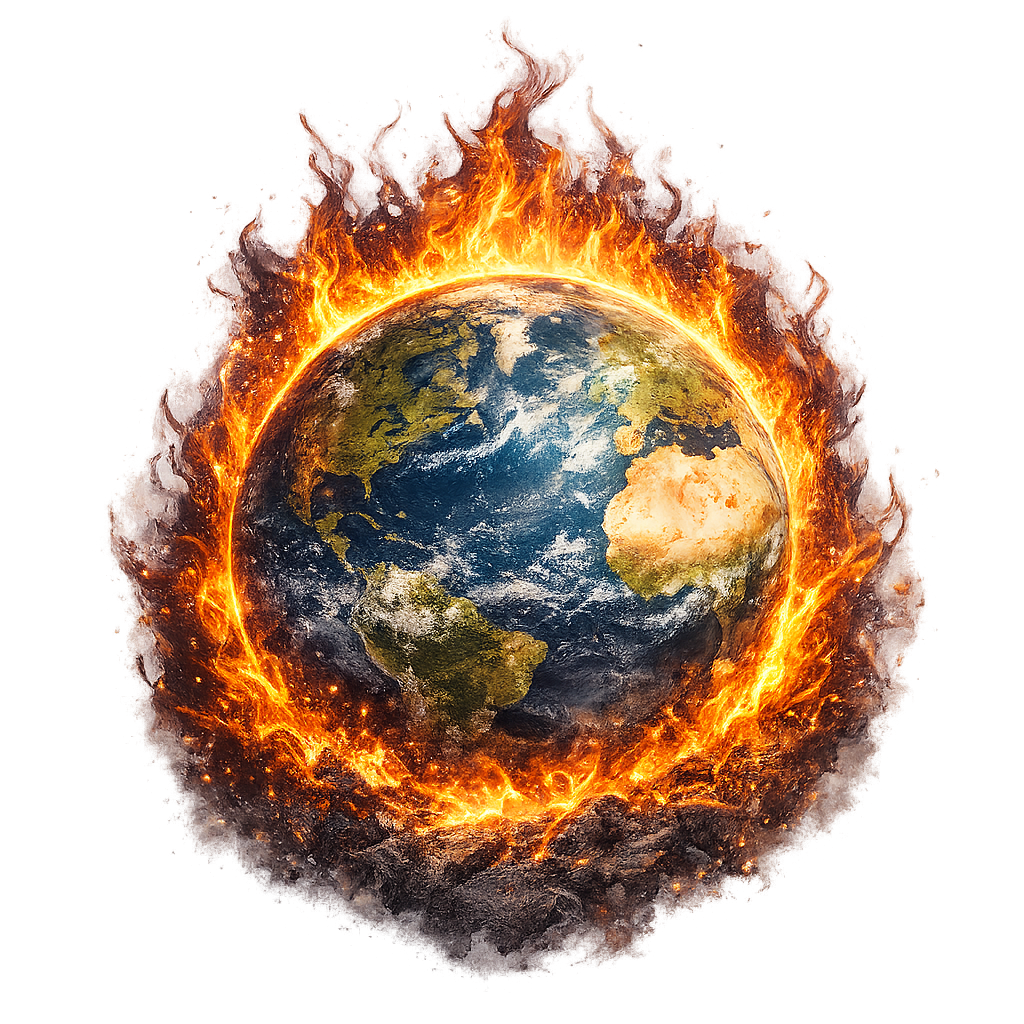
When the sun emits heat and light rays, some is absorbed by the Earth’s surface, warming it up.
The Earth will then emit heat rays which travel through the atmosphere.
The more greenhouse gases there are, the more heat gets trapped in the atmosphere.
This helps to keep the Earth warm, but as carbon dioxide levels continue to increase, this can lead to climate change (CH235).
CH234: Explain what a causal link is

Since 1850 there has been an increase in fossil fuel usage (from the industrial revolution).
This increase in carbon dioxide in the atmosphere has happened at the same time as the increase in temperature of the Earth.
There is a strong correlation between increasing CO2 levels and increasing temperature levels. Correlation does not mean a causal link.
Scientists must collect data and use it to explain the evidence for there to be a causal link (where one thing causes another).
CH235: Explain the effect of human activities on the Earth
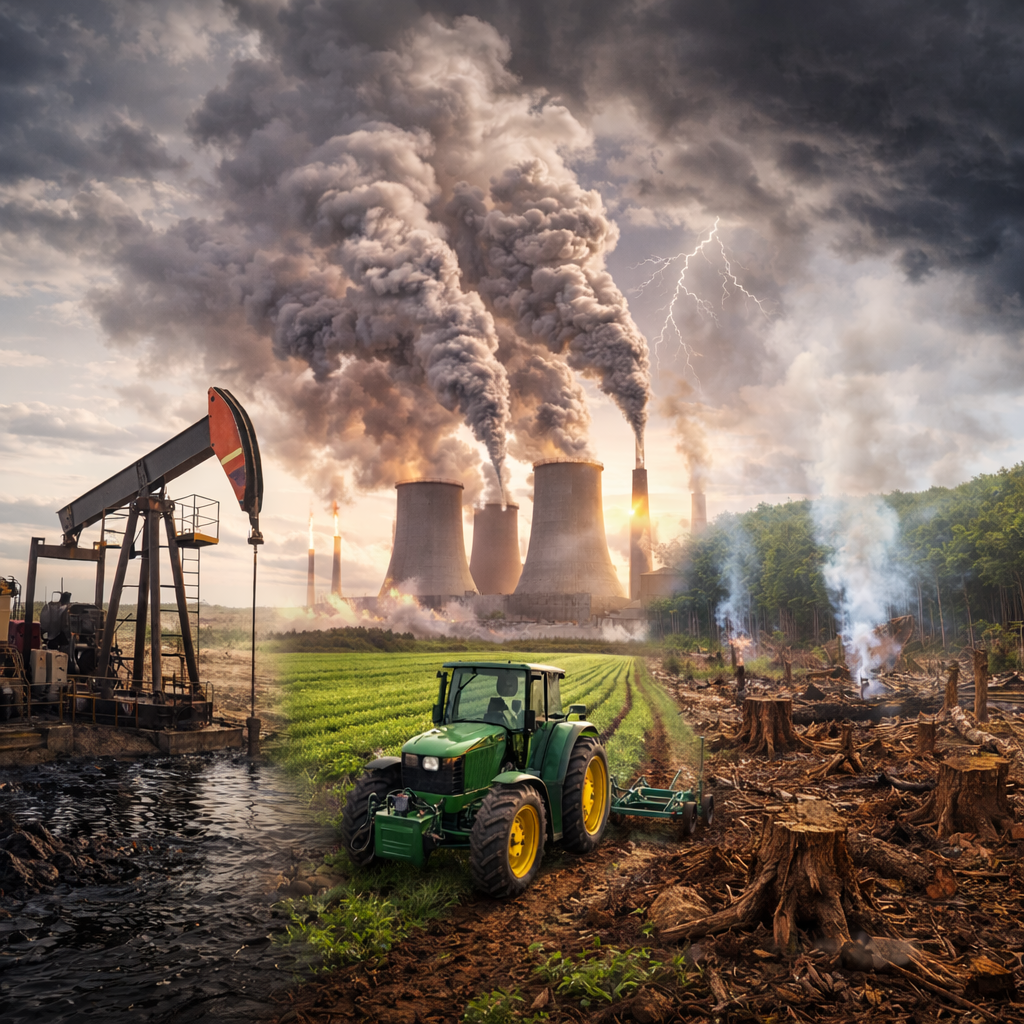
We add greenhouse gases to the atmosphere in the following ways:
- Drilling for oil: When we drill for oil, it can release stores of methane – a powerful greenhouse gas.
- Farming: Cows have bacteria in their gut to digest grass. This also produces methane.Combustion: Burning fossil fuels produces lots of carbon dioxide and water vapour.
- Deforestation: Cutting down trees reduces the amount of photosynthesis, meaning carbon dioxide levels increase
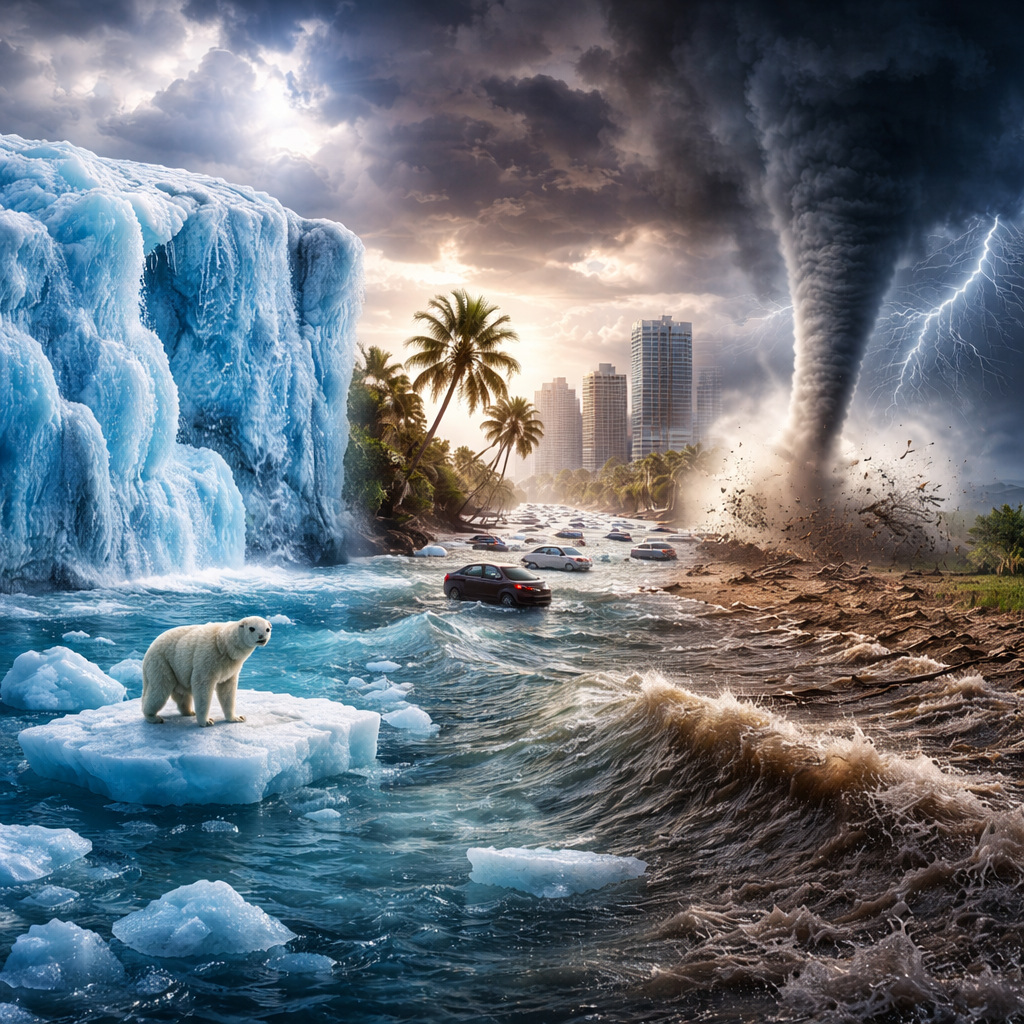
The increase of carbon dioxide levels results in:
- The ice caps melting: This means animals cannot survive and either must migrate or become extinct.
- Sea levels rising: Increased flooding.
- Extreme weather: Heavy rainfall, powerful storms, droughts, heat waves, etc…
CH236: Evaluate how to reduce climate change
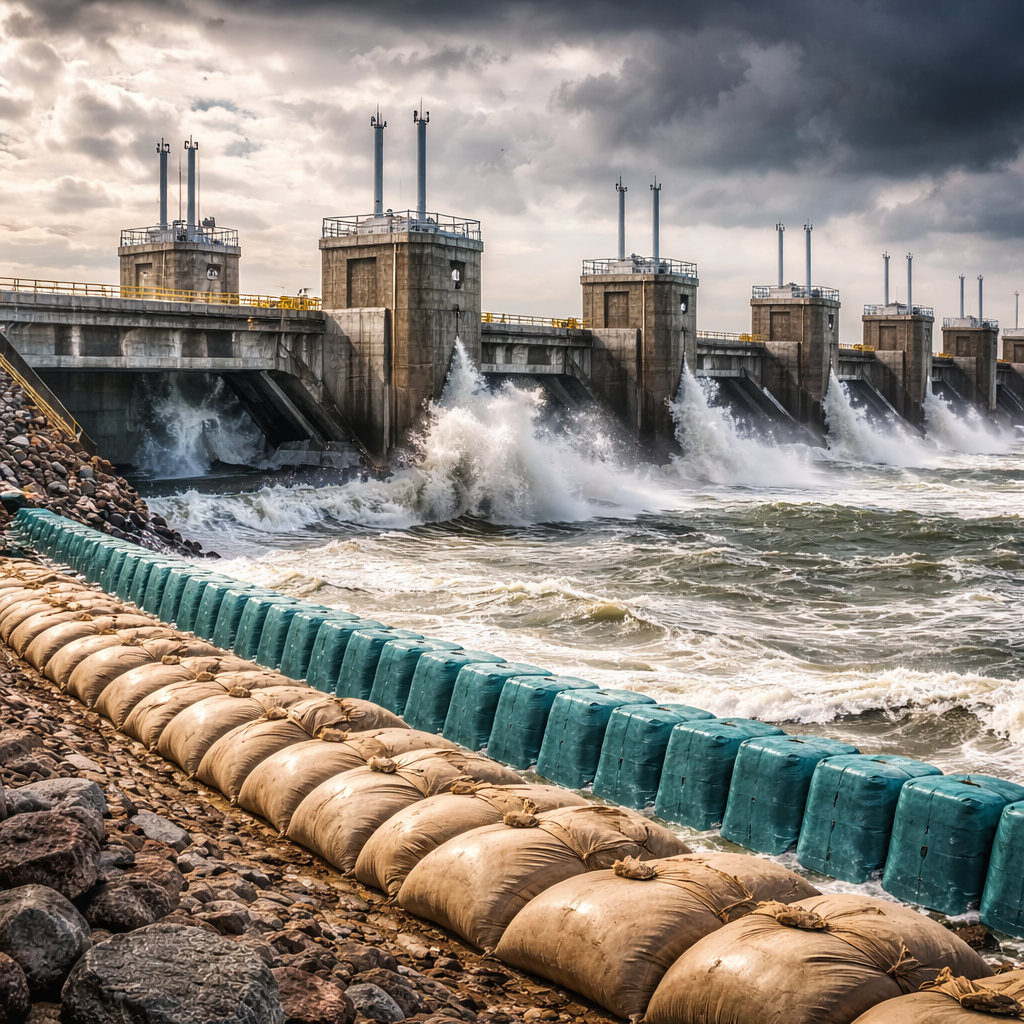
There are different ways that we are trying to slow down climate change, such as international treaties aimed at reducing carbon dioxide emissions.
Another way is to try to mitigate the effect (make the effects less severe), including:
- Flood defences – to prevent flooding in extreme weather,
- Irrigation systems – to provide water in droughts, and
- Planting new crops that are better adapted to the new environmental conditions.